

The low-carb high-fat diet, commonly known as the Keto diet, has gained immense popularity in recent years due to its promise of rapid weight loss. Many individuals have turned to this dietary approach in hopes of achieving their weight loss goals quickly.

But does the Keto diet truly live up to its claims of being a magic solution for rapid weight loss? As we explore this topic further, it’s essential to understand the underlying principles of the Keto diet and its effects on the body.
Key Takeaways
- The Keto diet is a low-carb, high-fat dietary approach.
- It has gained popularity for its promise of rapid weight loss.
- The diet involves a significant reduction in carbohydrate intake.
- The Keto diet can lead to weight loss due to the body’s shift to fat as a primary energy source.
- It’s crucial to understand the diet’s underlying principles and its effects on the body.
What Is the Keto Diet?
Understanding the Keto diet begins with grasping its fundamental principle: drastically reducing carbohydrate intake to induce a metabolic state called ketosis. The Keto diet, short for ketogenic diet, is a dietary approach that has gained popularity for its potential in weight management and overall health improvement.

read also: 5 Simple Morning Habits to Kickstart Your Weight Loss
The Science Behind Ketosis
When carbohydrate intake is significantly lowered, the body’s glucose levels decrease, prompting it to begin breaking down stored fat into molecules called ketone bodies. This metabolic state, known as ketosis, allows the body to use fat as its primary energy source instead of carbohydrates. The process involves the liver converting fat into ketone bodies, which are then used by the brain, heart, and other organs for energy.
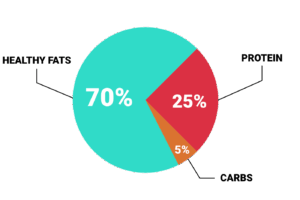
Macronutrient Breakdown on KetoMacronutrient Breakdown on Keto
A typical Keto diet consists of a specific macronutrient breakdown: approximately 70-80% of daily calories come from fat, 15-20% from protein, and only 5-10% from carbohydrates. This drastic reduction in carbohydrate intake is crucial for inducing and maintaining ketosis. Foods high in fat, such as avocados, nuts, and olive oil, become staples, while carbohydrate-rich foods like bread, pasta, and sugary snacks are significantly limited.
By understanding the science behind ketosis and adhering to the specific macronutrient breakdown, individuals can effectively utilize the Keto diet for their health and weight management goals.
The History and Evolution of Keto
The Keto diet’s journey from a therapeutic diet to a mainstream weight loss solution is fascinating. Initially developed in the 1920s to treat epilepsy, the diet has undergone significant transformations over the years.
From Medical Treatment to Mainstream Diet
The Keto diet was first introduced as a medical treatment, showing promise in managing seizures in epileptic patients. Its therapeutic benefits soon expanded to other areas, including weight management. As research progressed, the diet’s popularity grew beyond its medical origins, transitioning into a mainstream dietary approach for weight loss.
Current Popularity and Celebrity Endorsements
Today, the Keto diet is more popular than ever, with many celebrities endorsing it. Celebrities like Kim Kardashian and LeBron James have publicly praised the diet’s effectiveness, contributing to its widespread adoption. The diet’s appeal lies in its promise of rapid weight loss, making it a favorite among those seeking quick results.
Read also: Keyslim Drops Ingredients Breakdown
How the Keto Diet Works for Weight Loss
By drastically reducing carbohydrate intake, the Keto diet triggers a series of physiological changes that can lead to weight loss. When carbohydrate intake is low, the body’s glucose levels decrease, prompting it to shift from relying on glucose for energy to relying on stored fat.
Fat Adaptation and Metabolic Changes
As the body adapts to using fat as its primary energy source, a process known as fat adaptation occurs. This metabolic shift involves the liver converting fatty acids into molecules called ketones, which are then used by the brain, heart, and other organs for energy. Fat adaptation is a critical component of the Keto diet’s effectiveness for weight loss.
Appetite Suppression Effects
One of the benefits reported by many individuals on the Keto diet is a reduction in hunger. The high-fat diet helps to keep individuals feeling fuller for longer, potentially leading to a reduction in overall calorie intake. Key factors contributing to appetite suppression include:
- Increased consumption of healthy fats
- Moderate protein intake
- Reduced carbohydrate intake, which stabilizes blood sugar levels
Water Weight vs. Fat Loss
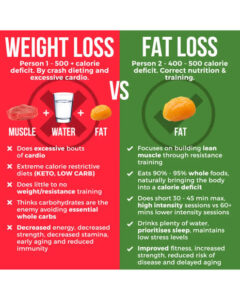
Initially, the Keto diet often results in a rapid loss of water weight due to the depletion of glycogen stores. It’s essential to differentiate between water weight loss and actual fat loss. While the initial weight loss may be largely water, continued adherence to the diet leads to significant fat loss over time.
In conclusion, the Keto diet’s effectiveness for weight loss can be attributed to a combination of fat adaptation, appetite suppression, and the eventual loss of fat mass. Understanding these mechanisms can help individuals better navigate their weight loss journey on the Keto diet.
Read also: Liquid Supplements vs. Pills
The “Rapid Weight Loss” Claims of Keto Examined
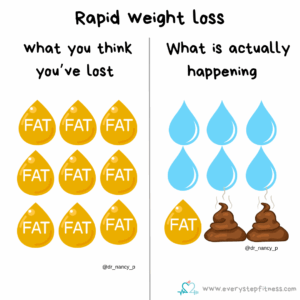
Many people turn to the Keto diet seeking rapid weight loss, but what can they realistically expect? The Keto diet has been associated with significant weight loss, particularly in the first month. However, it’s crucial to understand that initial weight loss is often due to water loss rather than fat loss.
First Month Results: What to Realistically Expect
In the first month, individuals on the Keto diet may experience a substantial drop in weight, often attributed to the depletion of glycogen stores and associated water loss. As stated by Dr. Eric Berg, “The initial weight loss is not always fat loss; it’s often water weight.” Realistic expectations for the first month can range from 5-10 pounds of weight loss, though this can vary widely among individuals. Factors such as starting body composition, activity level, and adherence to the diet play significant roles.
Plateaus and Long-term Patterns
As the body adapts to the Keto diet, weight loss may slow down, leading to a plateau. This is a normal part of the weight loss journey. According to a study published in the Journal of the American Medical Association, “weight loss tends to plateau after the initial six months on any diet.” Consistency and patience are key. Adjusting macronutrient ratios or incorporating intermittent fasting can help overcome plateaus. Long-term success on the Keto diet requires a commitment to maintaining the dietary regimen and making necessary adjustments over time.
read also: Keyslim Drops Review: Does This “Liquid Loophole” Really Burn Fat?
The Potential Benefits of Keto Beyond Weight Loss
While the keto diet is widely known for its weight loss benefits, it also offers several other advantages that can significantly impact overall health. Research has shown that the keto diet can have positive effects on various bodily functions, making it a potentially valuable dietary approach for overall wellness.
Cognitive Function and Mental Clarity
One of the notable benefits of the keto diet is its impact on cognitive function and mental clarity. The diet’s focus on high-fat intake can support brain health by providing an alternative energy source to glucose. Many individuals on the keto diet report improved mental clarity and focus, potentially due to the increased production of ketones, which can be used by the brain as an energy source.
Blood Sugar Management
The keto diet has been shown to help with blood sugar management. By drastically reducing carbohydrate intake, the diet can help stabilize blood sugar levels and improve insulin sensitivity. This can be particularly beneficial for individuals with type 2 diabetes or those at risk of developing the condition.
- Reduced carbohydrate intake helps stabilize blood sugar levels.
- Improved insulin sensitivity can reduce the risk of type 2 diabetes.

Inflammation and Other Health Markers
Another potential benefit of the keto diet is its effect on inflammation and other health markers. Some studies suggest that the diet can help reduce inflammation in the body, which is associated with various chronic diseases. Additionally, the keto diet may have positive effects on other health markers, such as triglyceride levels and HDL cholesterol.
Overall, the keto diet offers a range of potential benefits beyond weight loss, from improved cognitive function to better blood sugar management and reduced inflammation. As with any significant dietary change, it’s essential to consult with a healthcare professional to determine if the keto diet is right for you.
Common Misconceptions About the Keto Diet
As more people turn to the keto diet for weight loss, it’s essential to address the common misconceptions surrounding it. The keto diet, like any other dietary approach, has its share of myths and misunderstandings that can affect how effectively and safely individuals can follow it.
Unlimited Fat Consumption Myth
One of the most prevalent misconceptions about the keto diet is that it allows for unlimited fat consumption. While the diet does promote a high-fat intake, it doesn’t mean that followers can consume fats without any limit. The key is to maintain a balance that supports ketosis without overdoing it on the calories.

Protein Intake Confusion
Another area of confusion is protein intake. The keto diet requires a moderate protein intake, as excessive protein can be converted into glucose, potentially kicking the body out of ketosis. Understanding the optimal protein intake is crucial for maintaining the metabolic state of ketosis.
“Dirty” vs. “Clean” Keto Debate
The debate between “dirty” and “clean” keto is another misconception that needs clarification. “Dirty” keto refers to reaching ketosis through any means, including processed foods, while “clean” keto emphasizes whole, nutrient-dense foods. Choosing “clean” keto can lead to better overall health outcomes, even though both approaches can induce ketosis.
By understanding and addressing these common misconceptions, individuals can better navigate the keto diet and potentially achieve their weight loss and health goals more effectively.
Read also: 7 Natural Ways to Supercharge Your Metabolism
Potential Risks and Side Effects
While the Keto diet has gained popularity for its weight loss benefits, it’s crucial to understand the potential risks and side effects associated with it. As with any significant dietary change, adopting a Keto lifestyle can have both immediate and long-term effects on the body.
The “Keto Flu” Explained
The “Keto flu,” also known as the “carb flu,” is a common condition experienced by many when transitioning to a Keto diet. Symptoms include fatigue, headaches, and nausea, primarily due to the body’s adaptation to using ketones as a primary energy source instead of carbohydrates. Staying hydrated and maintaining electrolyte balance can help mitigate these symptoms.
Long-term Health Concerns
Long-term adherence to the Keto diet may raise several health concerns. These include potential negative impacts on bone density, possible effects on kidney function, and the risk of nutrient deficiencies if the diet is not well-planned. Regular health check-ups and a balanced diet are crucial for mitigating these risks.
| Potential Risk | Mitigation Strategy |
|---|---|
| Nutrient Deficiency | Ensure a balanced intake of vegetables, nuts, and seeds. |
| Bone Density Loss | Maintain adequate calcium and vitamin D intake. |
| Kidney Strain | Stay hydrated and consult with a healthcare provider. |
Who Should Avoid Keto Completely
Certain individuals should avoid the Keto diet due to potential health risks. These include people with type 1 diabetes, those with kidney disease, and individuals with a history of eating disorders. Pregnant or breastfeeding women should also consult with their healthcare provider before starting any new diet.
Understanding the potential risks and side effects of the Keto diet is essential for making an informed decision about adopting this dietary approach. By being aware of the potential downsides and taking steps to mitigate them, individuals can more safely navigate the Keto lifestyle.
What Scientific Research Says About Keto
Numerous studies have investigated the keto diet, shedding light on its potential benefits and drawbacks for weight management. The scientific community continues to explore the diet’s effects, providing valuable insights into its efficacy and safety.
Clinical Studies on Weight Loss Efficacy
Clinical studies have shown that the keto diet can be effective for weight loss. A study published in the Journal of the American Medical Association found that participants on a keto diet experienced significant weight loss over a 12-month period. The diet’s high-fat, low-carbohydrate regimen helps reduce insulin levels, promoting fat burning.
“The keto diet is a promising approach for weight loss, particularly for individuals with obesity.” – Dr. Sarah Hallberg,
Comparison to Other Popular Diet Plans
When compared to other popular diets, the keto diet often shows competitive weight loss results. A comparative study published in The Lancet found that keto diet participants achieved similar weight loss to those on a low-fat diet, but with different metabolic outcomes. The table below summarizes some key findings from comparative diet studies.
| Diet Type | Average Weight Loss | Key Benefits |
|---|---|---|
| Keto Diet | 10-15% body weight | Improved blood sugar control, increased fat burning |
| Low-Fat Diet | 8-12% body weight | Reduced cardiovascular risk, easier to maintain long-term |
| Mediterranean Diet | 7-10% body weight | High in antioxidants, supports heart health |
Gaps in Current Research
Despite the growing body of research, there are still gaps in our understanding of the keto diet’s long-term effects. More studies are needed to fully understand its impact on cardiovascular health, nutrient deficiencies, and sustainability over extended periods.
As research continues to evolve, it will provide clearer insights into the keto diet’s potential as a sustainable weight loss solution.
Is Keto the “Magic Solution” It’s Marketed As?
With its rising popularity, the Keto diet is often marketed as a quick fix for weight loss, but is this claim justified? The Keto diet has been surrounded by numerous marketing claims, promising rapid weight loss and improved overall health.
Marketing Claims vs. Reality
Many Keto diet proponents claim that it is an effective way to lose weight quickly. However, it’s essential to separate marketing claims from reality. While some people do achieve significant weight loss on the Keto diet, others may not experience the same results.
| Aspect | Marketing Claims | Reality |
|---|---|---|
| Weight Loss | Rapid weight loss guaranteed | Variable results; initial loss often due to water weight |
| Health Benefits | Improved overall health and energy | Some people experience improved energy, but others may face initial fatigue |
The Psychology Behind Diet Promises
The allure of a “magic solution” for weight loss is powerful. Diet promises often tap into our desires for quick fixes and instant gratification. Understanding the psychology behind these promises can help individuals make more informed decisions about their weight loss journeys.

In conclusion, while the Keto diet may be effective for some, it is not a universal “magic solution.” By examining the marketing claims and understanding the psychology behind diet promises, individuals can approach weight loss with a more nuanced perspective.
Practical Guide: Starting Keto Safely
Starting a keto diet requires careful planning to ensure a safe and effective transition into ketosis. A well-planned approach helps minimize potential side effects and sets you up for long-term success. It’s about making informed decisions to achieve your health goals.
Transitioning to Ketosis Gradually
To avoid shock to your system, it’s recommended to gradually reduce your carbohydrate intake over a few days or weeks. This allows your body to adjust to the new energy source. You can start by cutting back on high-carb foods and increasing your fat intake.
Essential Supplements and Nutrients
While on a keto diet, it’s crucial to ensure you’re getting the right nutrients. Electrolyte supplements can help mitigate the “keto flu,” a common condition when starting the diet. Additionally, consider supplements like omega-3 fatty acids and vitamins to support overall health.
Tracking and Monitoring Your Progress
Monitoring your progress is vital when starting keto. Use a food diary or an app to track your macronutrient intake, weight, and any symptoms. Regular monitoring helps you make adjustments to stay on track and achieve your goals.
By following these guidelines and being mindful of your body’s response, you can safely transition into ketosis and enjoy the benefits of the keto diet.
Making Keto Sustainable Long-Term
Making keto a sustainable part of your lifestyle requires flexibility and creativity. While the keto diet can be highly effective for weight loss and improving certain health markers, its long-term sustainability can be challenging for many individuals.
Modified Approaches for Lifestyle Integration
One way to make keto more sustainable is by adopting modified approaches that fit individual lifestyles. This can include adjusting the diet’s strictness or incorporating more flexible meal planning strategies.
- Relaxing certain dietary restrictions on weekends or special occasions
- Incorporating a variety of keto-friendly foods to avoid boredom
- Planning meals in advance to ensure compliance
Cyclical and Targeted Keto Options
Cyclical and targeted keto diets offer alternative approaches for those who find the traditional keto diet too restrictive. These methods involve cycling in and out of ketosis or adjusting macronutrient ratios based on specific needs or activities.
| Diet Type | Description | Benefits |
|---|---|---|
| Cyclical Keto | Alternating between keto and non-keto days | Improved flexibility, reduced risk of burnout |
| Targeted Keto | Adjusting keto macros based on activity levels | Enhanced performance, better recovery |
Social Situations and Dining Out
Navigating social situations and dining out can be challenging on keto. However, with some planning and knowledge, it’s entirely possible to stay on track.
Tips for dining out:
- Choose protein-rich dishes and ask for no sauce or starch
- Opt for vegetable-based sides or salads
- Be mindful of hidden carbs in dressings and marinades
By incorporating these strategies, individuals can make the keto diet a more sustainable and enjoyable part of their lifestyle.
Conclusion: Weighing the Pros and Cons of Keto
The Keto diet has garnered significant attention for its potential in facilitating rapid weight loss. By inducing a metabolic state called ketosis, the body burns fat for energy instead of carbohydrates. This metabolic shift can lead to substantial weight loss, particularly in the initial stages.
When considering the Keto diet, it’s essential to weigh its pros and cons. On the positive side, Keto can lead to significant weight loss, improved blood sugar management, and enhanced mental clarity. However, potential drawbacks include the “Keto flu,” a condition that occurs as the body adapts to the new diet, and long-term health concerns related to high fat intake.
In conclusion, the Keto diet can be an effective weight loss solution for some individuals. A study published on Healthline highlights the diet’s potential benefits and risks. Ultimately, whether Keto is the right choice depends on individual health goals, lifestyle, and preferences. By understanding the diet’s mechanisms and potential outcomes, individuals can make informed decisions about their weight loss journey.
FAQ
What is the Keto diet?
The Keto diet, short for ketogenic diet, is a low-carb, high-fat diet that puts the body into a state of ketosis, where it burns fat for energy instead of carbohydrates.
How does the Keto diet promote weight loss?
The Keto diet promotes weight loss by reducing insulin levels, increasing fat burning, and suppressing appetite, leading to a reduction in overall calorie intake.
What are the typical macronutrient ratios for a Keto diet?
The typical macronutrient breakdown for a Keto diet is approximately 70-80% fat, 15-20% protein, and 5-10% carbohydrates.
Can I eat unlimited fat on the Keto diet?
No, while the Keto diet is high in fat, it’s not recommended to consume unlimited amounts. Portion control is still important for weight loss and overall health.
What is the “Keto flu” and how can I avoid it?
The “Keto flu” is a set of symptoms that some people experience when transitioning to a Keto diet, including fatigue, headaches, and nausea. It can be minimized by staying hydrated, increasing salt intake, and gradually transitioning into ketosis.
Is the Keto diet safe for everyone?
No, certain individuals, such as those with type 1 diabetes, pregnant or breastfeeding women, and people with certain medical conditions, should consult a healthcare professional before starting the Keto diet.
How long does it take to see results on the Keto diet?
Results can vary, but many people report weight loss and improved blood sugar control within the first few weeks of starting the Keto diet.
Can I follow the Keto diet long-term?
Yes, some people choose to follow the Keto diet long-term, but it’s essential to be aware of potential long-term health concerns and to consult with a healthcare professional regularly.
How do I track my progress on the Keto diet?
You can track your progress by monitoring your weight, measuring body fat percentage, tracking your food intake, and using Keto-specific testing kits to check for ketones.
What are some common mistakes to avoid on the Keto diet?
Common mistakes to avoid include not staying hydrated, not consuming enough electrolytes, and not being mindful of portion sizes, which can hinder weight loss and overall success on the diet.
Get your supply of keyslem drpos here


Pingback: Sleep and Weight Loss: How Does Sleep Deprivation Affect Your Weight? – Keyslim Drops Guide