
Sleep and Weight
Getting enough quality sleep is crucial for overall health, and research suggests it’s also closely linked to weight management. When we don’t get sufficient rest, our bodies undergo various changes that can impact our ability to lose weight or maintain weight loss.
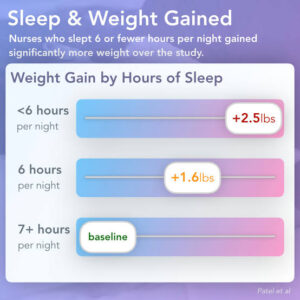
Sleep deprivation can affect hormones that regulate hunger and fullness, leading to increased cravings and calorie intake. Understanding the connection between sleep and weight is essential for developing effective weight loss strategies.
Key Takeaways
- Sleep deprivation can lead to weight gain due to hormonal changes.
- Quality sleep is essential for effective weight management.
- Lack of sleep can increase cravings and calorie intake.
- Understanding sleep’s role in weight loss can inform better weight loss strategies.
- Adequate rest is crucial for overall health and wellbeing.
Read more: Do THIS Simple “Drip & Drop” Routine To Accelerate Fat Burning
The Hidden Connection Between Sleep Deprivation and Weight Gain
The prevalence of sleep deprivation in America is alarming, and its connection to weight gain is a pressing concern that needs to be addressed. Millions of Americans suffer from sleep deprivation, often without realizing its far-reaching consequences on their weight and overall health.

Why Your Waistline Suffers When You Don’t Sleep Enough
When you don’t get enough sleep, your body’s ability to regulate hunger hormones is disrupted. This can lead to increased cravings for unhealthy foods and a higher likelihood of overeating. Some key factors that contribute to weight gain due to sleep deprivation include:
- Increased levels of ghrelin, the “hunger hormone”
- Decreased levels of leptin, the “fullness hormone”
- Poor food choices due to impaired decision-making
By understanding the connection between sleep deprivation and weight gain, individuals can take steps to improve their sleep quality and support their weight management goals.
The Science Behind Sleep and Weight
Sleep plays a pivotal role in weight management, influencing both our metabolism and eating habits. Understanding the science behind this connection can provide valuable insights into how we can better manage our weight.
How Sleep Cycles Affect Metabolism
Our bodies go through different stages of sleep, known as sleep cycles, which significantly impact our metabolic rate. During deep sleep, our metabolism slows down to conserve energy, while lighter stages of sleep can influence how our body processes glucose. Research has shown that disruptions in these cycles can lead to metabolic changes that may affect weight.
Read more: Why Traditional Diets Fail (And Why This Is Different)
Research Findings on Sleep Duration and BMI
Numerous studies have investigated the relationship between sleep duration and Body Mass Index (BMI). A key finding is that both short and long sleep durations can be associated with higher BMI.
| Sleep Duration | Average BMI |
| Less than 5 hours | 27.5 |
| 7-8 hours | 24.2 |
| More than 9 hours | 26.8 |
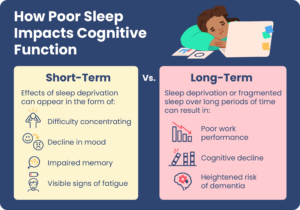
Short-Term vs. Long-Term Sleep Deprivation Effects
Short-term sleep deprivation can lead to immediate changes in metabolism and increased cravings for unhealthy foods. Long-term sleep deprivation exacerbates these effects, potentially leading to significant weight gain over time.
Individual Variations in Sleep Needs
It’s essential to note that sleep needs vary among individuals. While some may require more sleep, others may need less. Understanding one’s own sleep needs is crucial for maintaining a healthy weight.
read more: The Keto Diet: Is It Really the Magic Solution for Rapid Weight Loss?
How Sleep Deprivation Triggers Weight Gain
Lack of sleep is not just bad for your energy levels; it can also trigger weight gain. When you don’t get enough sleep, your body undergoes a series of changes that can affect your weight. These changes can be broken down into several key areas.
Increased Hunger and Appetite
Sleep deprivation can significantly affect the hormones that regulate hunger and appetite. When you’re sleep-deprived, your body produces more ghrelin, a hormone that stimulates appetite, and less leptin, a hormone that suppresses appetite. This hormonal imbalance can lead to increased hunger and food cravings, making it harder to stick to a healthy diet.
Poor Food Choices and Cravings واللبتين: هرمونات الجوع
Ghrelin and leptin are two key hormones that regulate our appetite. Ghrelin, often referred to as the “hunger hormone,” increases appetite, while leptin, the “fullness hormone,” signals satiety. Sleep deprivation can lead to an increase in ghrelin and a decrease in leptin, making us feel hungrier and less satisfied after eating. This hormonal imbalance can result in overeating and weight gain.
Cortisol: The Stress Hormone Effect
Cortisol, known as the stress hormone, is released in response to stress and low blood glucose. Sleep deprivation can elevate cortisol levels, contributing to increased fat storage around the abdominal area. High cortisol levels can also lead to increased cravings for unhealthy foods, further complicating weight management efforts.
Insulin Resistance and Blood Sugar Regulation
Sleep loss can also affect how our body regulates blood sugar, leading to insulin resistance. When we’re insulin resistant, our body’s cells don’t respond effectively to insulin, resulting in higher blood sugar levels. This condition can increase the risk of developing type 2 diabetes and is closely linked to weight gain, particularly around the visceral area.
| Hormone | Function | Effect of Sleep Deprivation |
| Ghrelin | Increases appetite | Increased levels |
| Leptin | Signals satiety | Decreased levels |
| Cortisol | Responds to stress | Elevated levels |
read more: 5 Simple Morning Habits to Kickstart Your Weight Loss
Improving Sleep Quality for Better Weight Management
Improving sleep quality can significantly impact your weight management efforts. By focusing on creating a conducive sleep environment, establishing a consistent sleep schedule, and adopting healthy diet and exercise habits, you can enhance your overall sleep quality.
Creating a Sleep-Friendly Environment
A sleep-friendly environment is crucial for improving sleep quality. This involves optimizing your bedroom to promote relaxation and sleep.
Optimal Bedroom Temperature and Lighting
Maintaining an optimal bedroom temperature between 60-67°F (15-19°C) and ensuring darkness can significantly improve sleep quality. Consider using blackout curtains or a sleep mask if necessary.
Reducing Noise and Electronic Distractions
Minimizing noise and electronic distractions is also vital. Use earplugs, white noise machines, or remove electronic devices from your bedroom to create a peaceful environment.
Establishing a Consistent Sleep Schedule
Going to bed and waking up at the same time daily, including weekends, helps regulate your body’s internal clock and improves sleep quality. Consistency is key to developing healthy sleep habits.
read more: Liquid Supplements vs. Pills
Diet and Exercise Habits That Promote Better Sleep
Your diet and exercise habits play a significant role in sleep quality. Avoid heavy meals close to bedtime and incorporate regular physical activity into your daily routine. However, avoid vigorous exercise within a few hours of bedtime as it can interfere with sleep.
- Avoid caffeine and heavy meals before bedtime
- Incorporate relaxing activities such as yoga or reading before sleep
- Regular physical activity during the day can promote better sleep
When to Seek Professional Help for Sleep Issues
If you continue to struggle with sleep despite implementing these strategies, it may be time to seek professional help. Consult with a healthcare provider or a sleep specialist to address underlying sleep disorders.
By implementing these strategies, you can significantly improve your sleep quality, which in turn supports your weight management goals. Remember, quality sleep is foundational to overall health and well-being.
Sleep and Weight: A Crucial Connection
Getting enough sleep is crucial for maintaining a healthy weight. As discussed, sleep deprivation can lead to weight gain due to increased hunger and appetite, poor food choices, and reduced energy for physical activity.
The hormonal changes that occur with sleep deprivation, including the imbalance of ghrelin and leptin, also play a significant role in weight management. By prioritizing good sleep quality, individuals can better regulate their weight and improve overall health.
Establishing a consistent sleep schedule, creating a sleep-friendly environment, and adopting diet and exercise habits that promote better sleep can all contribute to effective weight management. By making sleep a priority, individuals can take a significant step towards achieving their weight loss goals and maintaining a healthy weight.
FAQ
How does sleep deprivation affect weight loss efforts?
Sleep deprivation can hinder weight loss efforts by increasing levels of the hunger hormone ghrelin, decreasing levels of the fullness hormone leptin, and reducing insulin sensitivity, making it harder to lose weight.
read more: Keyslim Drops Ingredients Breakdown
Can improving sleep quality help with weight management?
Yes, improving sleep quality can help with weight management by regulating hunger hormones, improving insulin sensitivity, and increasing energy levels for physical activity.
What are some tips for creating a sleep-friendly environment?
To create a sleep-friendly environment, keep your bedroom cool, dark, and quiet, invest in a comfortable mattress and pillows, and reduce electronic distractions by removing TVs and electronic devices from the bedroom.
How does a consistent sleep schedule impact weight loss?
Establishing a consistent sleep schedule helps regulate the body’s internal clock, improving the quality of sleep, and supporting weight loss efforts by reducing sleep deprivation-related hunger and appetite increases.
Are there any diet and exercise habits that can promote better sleep?
Yes, a balanced diet that includes sleep-promoting foods like tryptophan-rich foods, and a regular exercise routine that avoids vigorous exercise before bedtime, can help promote better sleep quality.
When should I seek professional help for sleep issues?
If you experience persistent sleep problems, such as insomnia or sleep apnea, or if you’re struggling to establish a consistent sleep schedule, consider seeking help from a healthcare professional or a sleep specialist.
Can stress affect sleep quality and weight management?
Yes, chronic stress can negatively impact sleep quality by increasing cortisol levels, leading to poor sleep, and affecting weight management by promoting fat storage around the abdominal area.
How do hunger hormones like ghrelin and leptin impact weight loss?
Ghrelin and leptin play a crucial role in weight loss; ghrelin stimulates appetite, while leptin suppresses it. Imbalances in these hormones due to sleep deprivation can lead to increased hunger and reduced feelings of fullness, hindering weight loss efforts.
Get your supply of keyslem drpos here